



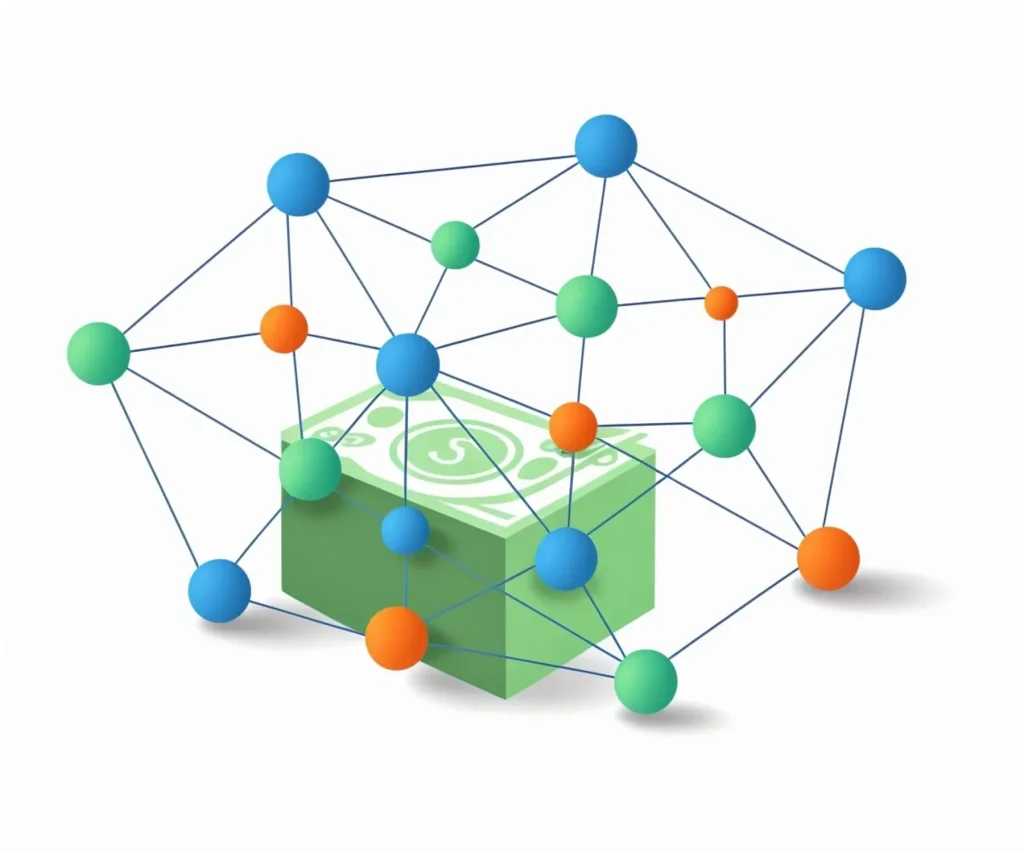
In a rapidly evolving financial landscape, SaucerSwap is challenging traditional exchanges by transforming decentralized trading. As its unique DEX (decentralized exchange) platform gains traction, it raises critical questions about the future of centralized exchanges amidst growing demand for cross-chain interoperability and enhanced trading experiences. This blog explores how SaucerSwap is reshaping the trading ecosystem and its implications for the conventional exchange model.
The Rise of SaucerSwap in the DeFi Space
SaucerSwap’s recent redesign has positioned it at the forefront of decentralized finance (DeFi). By enhancing user navigation and introducing advanced analytics, the platform has effectively boosted Hedera’s Total Value Locked (TVL) by 53.4%, reaching an impressive $113.5 million, according to recent reports. This leap not only highlights the platform’s growing influence but also signifies a crucial shift in user preferences towards decentralized solutions that prioritize transparency and security.
In terms of market dynamics, SaucerSwap now controls approximately two-thirds of the liquidity within the Hedera ecosystem, effectively positioning itself as a major player within the DeFi sector. Such control over liquidity is a pivotal factor in drawing institutional users, which the platform aims to further attract with its impending upgrades focused on cross-chain interoperability. This capability could redefine how assets move between blockchains, making trading more efficient and accessible.
The Impact on Centralized Exchanges
SaucerSwap’s rise challenges traditional centralized exchanges by offering a decentralized alternative that mitigates many risks associated with centralized systems. Centralized exchanges, despite their popularity, often suffer from issues such as hacks and regulatory scrutiny. As reported, the increasing adoption of platforms like SaucerSwap, which do not require custodial control of funds, presents a tangible threat to the existing order.
The advantages of decentralized exchanges are becoming hard to ignore. Here are a few critical aspects:
– Security: Users retain control over their assets, reducing the risk of hacking.
– Transparency: All transactions are recorded on-chain, allowing for auditability and trust.
– Access to Diverse Assets: DeFi platforms enable trading across various blockchains, increasing asset availability.
As these benefits become more widely recognized, centralized exchanges could experience significant declines in trading volumes. It’s essential to recognize that users are increasingly valuing security and flexibility, implying that a shift in preference towards DEXs could be on the horizon.
The Future Landscape of Trading Volume
Looking ahead, SaucerSwap’s quest for cross-chain interoperability could not only enhance user experiences but also fundamentally shift trading volumes in the crypto space. The potential to seamlessly swap assets across different blockchains might attract more users to decentralized platforms, leading to transformed trading dynamics. According to projections, as DEXs like SaucerSwap continue to evolve and expand their features, we might observe a notable shift in the distribution of trading volumes between centralized and decentralized exchanges.
The current landscape is characterized by significant market potential; DeFi’s total market cap is estimated at around $1.2 trillion. With ongoing advancements and user-friendly enhancements, SaucerSwap’s strategic evolution may enable it to capture a substantial share of this burgeoning market. Furthermore, the anticipated upgrades aimed at institutional users signify a broader acceptance of decentralized platforms as viable alternatives to traditional exchanges.

Conclusion: Embracing the Shift
The rise of SaucerSwap encapsulates a broader trend towards decentralization within the finance sector. As the platform enhances its offerings and expands its liquidity, it is poised to challenge traditional exchanges significantly. By prioritizing cross-chain interoperability and user security, SaucerSwap exemplifies the shift towards decentralized solutions in an era defined by rapid technological advancement. The ongoing evolution of this landscape suggests that centralized exchanges must adapt swiftly or risk becoming obsolete as the crypto community increasingly embraces decentralized alternatives.
About The Author



More Stories
The Hidden Truth About the Future of NFTs You Must Know
How Crypto Whales Are Using The Sandbox to Shape GameFi Investments
Why Stablecoins Are About to Disrupt the Banking System Forever