






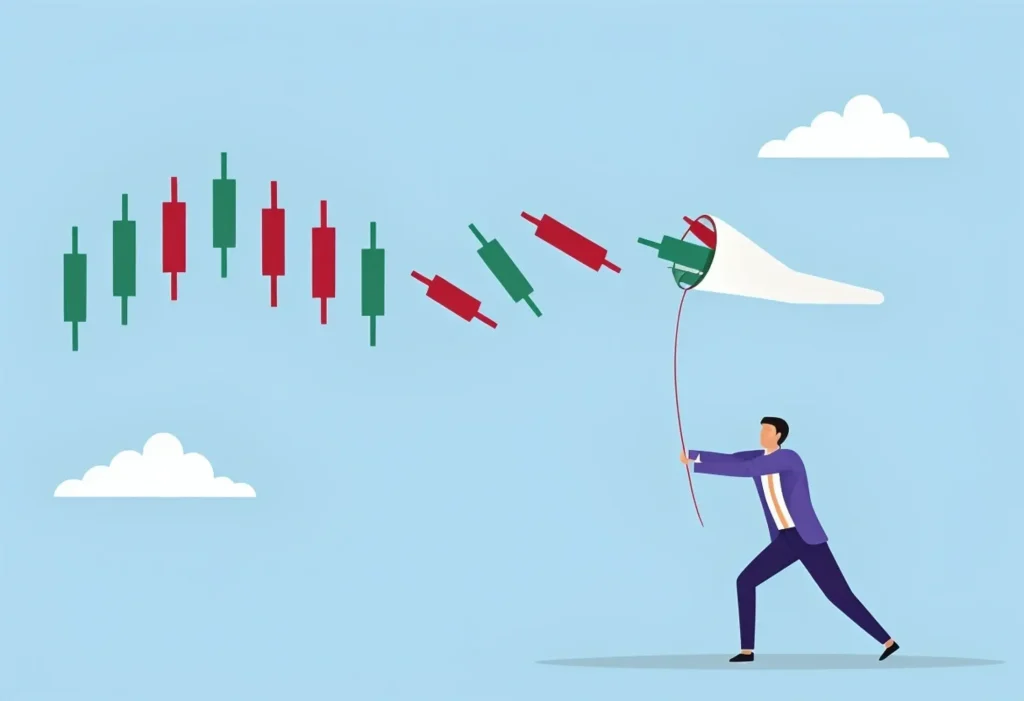
As geopolitical influences on crypto increasingly shape market dynamics, the ongoing Iran conflict is set to drive significant volatility in cryptocurrency prices. Understanding these shifts is essential for investors looking to navigate unpredictable financial waters amid rising economic sanctions.
Critical Impacts of the Iran Conflict on Crypto Market
Geopolitical tensions, like the Iran conflict, have a profound impact on cryptocurrency prices. When nations are in turmoil, especially those involved in significant global trade, market participants tend to respond swiftly. For example, during the recent escalation of hostilities, we have seen an uptick in crypto activity as investors sought refuge from potential fiat currency devaluations. Many view cryptocurrencies as a hedge against unstable geopolitical situations, reflecting a shift in investor sentiment toward digital assets.
Investor behavior elucidates this response: when conflict arises, there is often an initial rush to Bitcoin and other alternatives seen as safe havens. As noted, fluctuations in investor sentiment can lead to rapid price changes. According to Goldman Sachs, the ongoing unrest in Iran creates a major risk for investors, driving price volatility in cryptocurrencies as the market reacts to each military or political move.
Additionally, the role of economic sanctions on countries like Iran significantly contributes to market instability. Sanctions often thwart traditional financial avenues for companies and individuals, pushing them to seek alternatives in cryptocurrency markets. This not only affects investor sentiment but also impacts overall crypto market dynamics.
Geopolitical Influences on Crypto and Financial Systems
Geopolitical events shape not just regional but global financial systems. The connection between local conflicts and cryptocurrency markets illustrates this concept well. Historical instances, such as Russia’s annexation of Crimea in 2014, revealed how financial markets reacted to political actions, leading to growth in crypto trading as investors sought safety amid uncertainty. This pattern reflects a broader trend seen whenever tensions flare — a flight to digital assets perceived as detached from governmental control.
Indicators of impending volatility often include news of military escalation, changes in diplomatic relations, and economic sanctions. Investors need to remain vigilant and responsive to these signals. Crisis points often trigger rapid shifts in trading volumes and price fluctuations, as highlighted by the current conditions in Iran, where the oil market’s instability reverberates across cryptocurrencies—leading many users to speculate on price changes.
Current Market Responses to International Strife
Since the onset of increased hostilities between Iran and other nations, cryptocurrency markets have exhibited notable price trends. For instance, as reports of military actions rose, Bitcoin’s trading volume surged, indicating heightened investor interest. Specific cryptocurrencies subject to fluctuating trading behavior seem to react directly to developments in the region.
Ethereum, often considered a stable player in the market, has also felt the repercussions of geopolitical tensions. Changes in trading volumes for Bitcoin and Ethereum suggest a significant correlation with the turmoil of international strife such as that in Iran. Investors find themselves more inclined to monitor these assets actively, leading to increased market volatility.
Data from multiple sources confirm that the crypto market is on a precarious edge, with Goldman Sachs highlighting how these international developments could lead to abrupt price shifts and influence overall investment strategies, making noted awareness of global events paramount for cryptocurrency enthusiasts.

Economic Sanctions and Their Ripple Effects
Economic sanctions often restrain a nation’s ability to trade freely, pushing investors to find other avenues such as cryptocurrencies. These digital currencies operate independently of traditional financial institutions, making them appealing in times when economic restrictions abound. For countries like Iran facing rigorous sanctions, their dependence on cryptocurrencies to bypass economic barriers grows increasingly evident.
The resulting shifts in trading behavior among crypto investors reflect a change from traditional fiat to digital assets as they navigate the complexities of economic sanctions. Notably, investors are more prone to engage in decentralized trading platforms, resulting in a change in how cryptocurrencies are valued and traded. For economies reliant on cryptocurrencies, these actions highlight the turbulent nature of crypto dynamics as they adjust to the ramifications of sanctions and ongoing global conflicts.
Blockchain as a Tool for Change in Turbulent Times
Blockchain technology, characterized by decentralization and security, showcases its potential to mitigate the effects of volatility during times of conflict. Innovations are already emerging within the crypto landscape aimed at addressing these challenges. For instance, protocols are being developed to facilitate transactions in environments affected by sanctions, empowering individuals by bypassing traditional barriers and enabling smoother financial operations.
Real-world applications of blockchain in conflict zones signal an important evolution; aid streams in countries like Syria have already utilized blockchain for delivering necessary resources without disruption from ongoing hostilities. Such innovations underline blockchain’s capacity to serve not only as a financial tool but as a transformative agent during turbulent times, changing how economies interact with one another globally.
Strategies for Navigating Crypto Volatility
For investors looking to safeguard their assets amidst rising crypto volatility, several practical strategies exist. First, diversification remains critical; spreading investments across various cryptocurrencies helps mitigate risk. Consider breaking investments into smaller portions, allowing for flexibility during tumultuous market conditions.
Active management and risk assessment are paramount in volatile markets. As situations evolve, consistently updating investment strategies aligns with broad geopolitical developments. Staying informed plays a significant role in timely decision-making; being aware of conflicts and market projections ensures investors remain agile and responsive.
Additionally, maintaining a disciplined approach to trading and avoiding reactive impulsiveness can help investors preserve capital during market turbulence, setting a foundation for sustainable growth and resilience even amid geopolitical conflicts.
Future Outlook: Adapting to Continual Change
Looking ahead, the situation in Iran may continue to shift market landscapes for cryptocurrencies. Long-term effects might steer investor behaviors profoundly as ongoing instability prompts a deeper reliance on cryptocurrencies. Investors might adapt strategies focused on alternative assets, transforming market principles as they seek avenues able to withstand geopolitical upheaval.
Noteworthy will be the evolving role of cryptocurrencies in global finance. Given current trends, it’s plausible to consider cryptocurrencies not merely as commodities but as essential components of a balanced financial portfolio. As we navigate through unpredictable economic conditions, crypto markets will likely remain indicative of broader global sentiments, serving as barometers for confidence in both local and international economies.
Understanding these dynamics becomes increasingly critical for anyone involved in cryptocurrency investments, as the dual forces of conflict and economic sanctions shape the landscape and dictate the future of finance.
About The Author


More Stories
Why Dogecoin’s Liquidity Drain Is Pushing Prices Lower in Crypto
Why Geopolitical Tensions Are Impacting Crypto Markets Like Never Before
Why Geopolitical Events Are Catastrophically Affecting Bitcoin Prices