







The recent Bitcoin price drop signals potential turbulence in the economic landscape. Understanding its implications is crucial for investors and consumers alike. By recognizing changing market dynamics, we can better prepare for future financial shifts.
Identifying Signals of Economic Turmoil
Economic downturns often reveal themselves through various indicators, and the recent Bitcoin price drop has surfaced multiple signals of distress. For instance, fluctuations in cryptocurrency values can hint at shifts in investor sentiment. This relationship is evident in how cryptocurrencies often act as bellwethers for traditional financial markets. When Bitcoin experiences significant volatility, it can indicate broader economic challenges, as connectedness has increased between digital and traditional assets. As noted, economists have pointed to moments where Bitcoin trends foreshadow more severe economic events, leading to increased scrutiny of its market behavior during times of uncertainty (Wall Street Journal). Such historical precedents underscore the interconnectedness of digital currencies with overall economic health.
The Impact of Bitcoin Price Drop on Investors
The fluctuating Bitcoin values significantly affect investor confidence. When the cryptocurrency experiences sudden price declines, it can create a ripple effect of uncertainty. Investors may rethink their strategies and risk tolerance, aiming to adapt to an ever-changing landscape. During downturns, market sentiment typically shifts, often favoring more stable assets. For many, Bitcoin serves as either a risk asset in unpredictable markets or a potential safe haven during economic turmoil. According to recent analyses, notable investors are cautious about allocating funds amid market instability, reflecting a broader tendency to reevaluate their positions. The correlation between Bitcoin’s performance and investor behavior is vital for potential buyers and sellers navigating this complex terrain.
Economic Trends Shaping Cryptocurrency Markets
Current economic trends are undeniably influencing Bitcoin and other cryptocurrencies. Inflation concerns loom large, as rising prices can drive investors to seek alternative assets. Interest rate changes, particularly those instituted by central banks, also significantly affect market dynamics. Higher interest rates may prompt investors to withdraw from riskier investments like Bitcoin in favor of traditional savings or bonds with guaranteed returns. Moreover, global events, such as geopolitical tensions, further impact Bitcoin valuations. With these trends, it becomes essential to stay informed about how macroeconomic factors influence cryptocurrency markets, as many are directly tied to major economic indicators, ultimately shaping public perception and investment strategies in digital currencies.
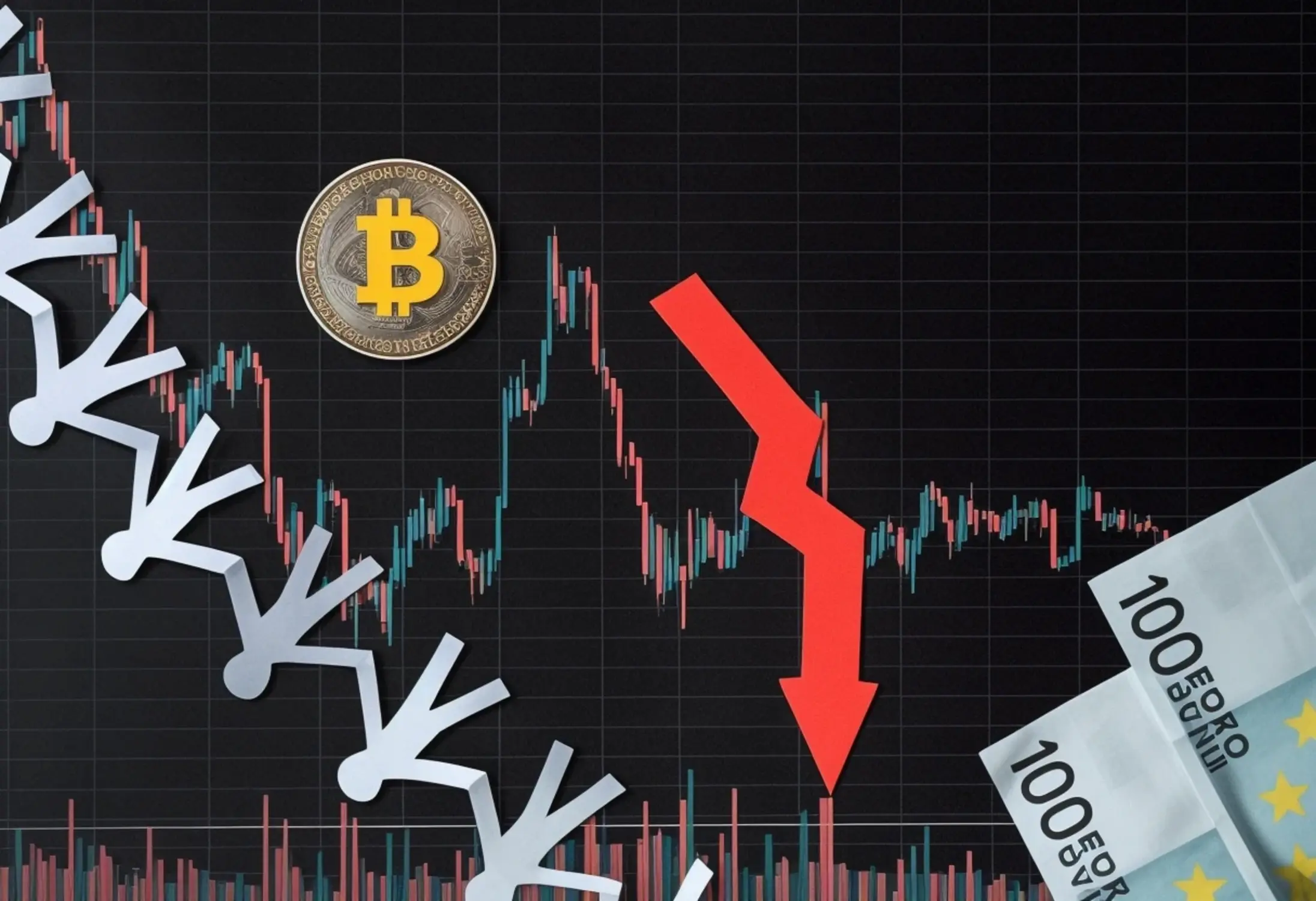
Bitcoin Market Analysis: What Does the Data Show?
Recent data reflect the tumultuous nature of Bitcoin’s price movements, and careful Bitcoin market analysis is fundamental for understanding future trends. Charts illustrating the recent price drops reveal patterns that investors should watch closely. For example, analyzing volume trends can indicate investor interest and potential recovery paths. A significant drop in trading volume may signal approaches to price stabilization, while continued volatility might hint at further declines. By investigating correlations between Bitcoin’s performance and global economic indicators, investors can better inform their strategies. This proactive approach is crucial, especially in light of fluctuating market conditions that shape our understanding of cryptocurrency’s viability as an investment.( Financial Times)
Understanding Cryptocurrency Value Fluctuations
Numerous factors contribute to sudden changes in Bitcoin’s value, ranging from market psychology to regulatory news. The dynamics of cryptocurrency trading are often driven by emotions like fear and greed, which can lead to irrational price swings. Additionally, regulatory announcements can dramatically influence investor behavior. For instance, news that implies stricter regulations might trigger sell-offs, while supportive developments could entice new buyers. Understanding these nuances helps investors navigate the often tumultuous waters of cryptocurrency trading, especially as public sentiment shifts and external factors come into play.
Preparing for Future Economic Fluctuations
To safeguard their portfolios amid Bitcoin price volatility, investors must adopt practical strategies. Diversification remains a cornerstone, allowing individuals to spread risk across both traditional and digital assets. This strategy can mitigate potential losses stemming from a plummeting Bitcoin value. Staying informed about market developments and economic trends can provide investors with critical insights, enabling them to make educated decisions. Ultimately, understanding the correlations between market dynamics and Bitcoin’s fluctuations is essential for preparation and adaptability in uncertain economic climates.
About The Author





More Stories
Why XRP’s Trading Surge is About to Change Cryptocurrency Investment Forever
Why Jane Street’s Bitcoin Trading Resurgence Is a Market Game Changer
The Hidden Truth About Bitcoin’s Price Resilience Amid Global Turmoil