






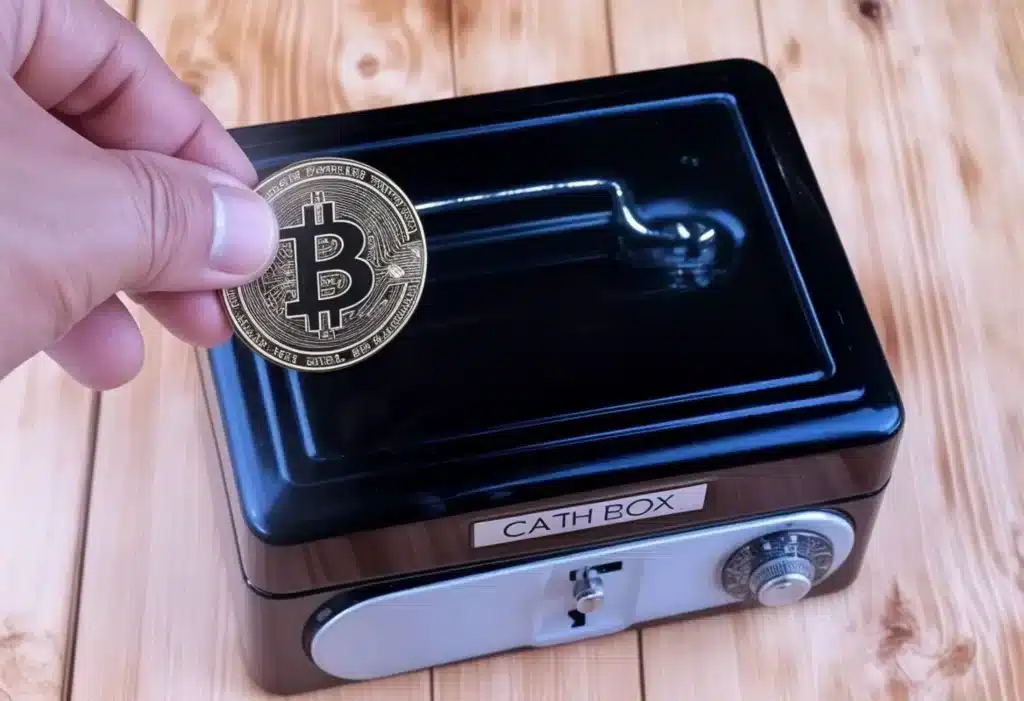
As we approach 2026, the rise of non-custodial wallets is set to revolutionize crypto payments. This shift will empower users with enhanced control and security over their digital assets, making it imperative for stakeholders to understand these trends in crypto payments now.
Relevance of Non-Custodial Wallets in Today’s Market
The popularity of digital assets has surged in recent years, leading to an increased demand for secure payment methods. Non-custodial wallets play a crucial role in this ecosystem, providing users with direct control over their funds. Unlike custodial wallets, where third-party services hold the private keys, non-custodial wallets eliminate such intermediaries, enhancing user trust and security. This model aligns with a growing preference among consumers for privacy and autonomy, fundamental aspects of the cryptocurrency ethos.
According to a recent analysis, the necessity for decentralized solutions will become even more pressing as digital asset adoption rises. Consumers are gravitating towards systems that allow them to manage their finances independently, fundamentally reshaping how crypto payments are viewed and utilized. Such a transition indicates a market poised for disruption, where users prioritize security and control over convenience, a sentiment echoed by advocates in the crypto community.
Current Trends in Crypto Payments Landscape
The landscape of crypto payments is rapidly evolving, marked by an increased adoption of non-custodial wallets. More consumers are recognizing the benefits these wallets offer, leading to higher usage rates. Notably, businesses are also responding to this change by accepting cryptocurrencies, which reflects a broader shift in payment preferences. As more users adopt non-custodial wallets, we witness a corresponding growth in merchants willing to accept digital currencies.
Regulatory developments are influencing this trend. As governments establish clearer frameworks for cryptocurrency transactions, confidence among users and merchants grows. This regulatory clarity, alongside the shift from traditional finance to decentralized solutions, indicates that we are approaching a tipping point in crypto payments, as highlighted by trend reports emphasizing the need for adaptive payment solutions.
Implications of the Influencer Economy on Payments
The influencer economy is significantly impacting the promotion of crypto payment solutions. Influencers, with their extensive reach and persuasive power, play a critical role in educating their followers about digital assets and the advantages of using non-custodial wallets. This education is vital as understanding the complexities of blockchain technology is essential for broad adoption.
As influencers advocate for these solutions, they accelerate the shift towards non-custodial wallets. The social proof established by influencers can drive consumer interest and adoption, leading to transformative changes in crypto payment behaviors. This dynamic underscores the increasingly important role of social media and public figures in shaping market trends, paving the way for a wider acceptance of digital assets.
Advantages of Embracing Non-Custodial Solutions
Embracing non-custodial solutions presents numerous advantages for users. First and foremost, these wallets minimize risks commonly associated with centralized exchanges, such as hacks and mismanagement. Users who opt for non-custodial wallets benefit from enhanced security and privacy in their transactions, a critical consideration as digital asset breaches have become more prevalent.
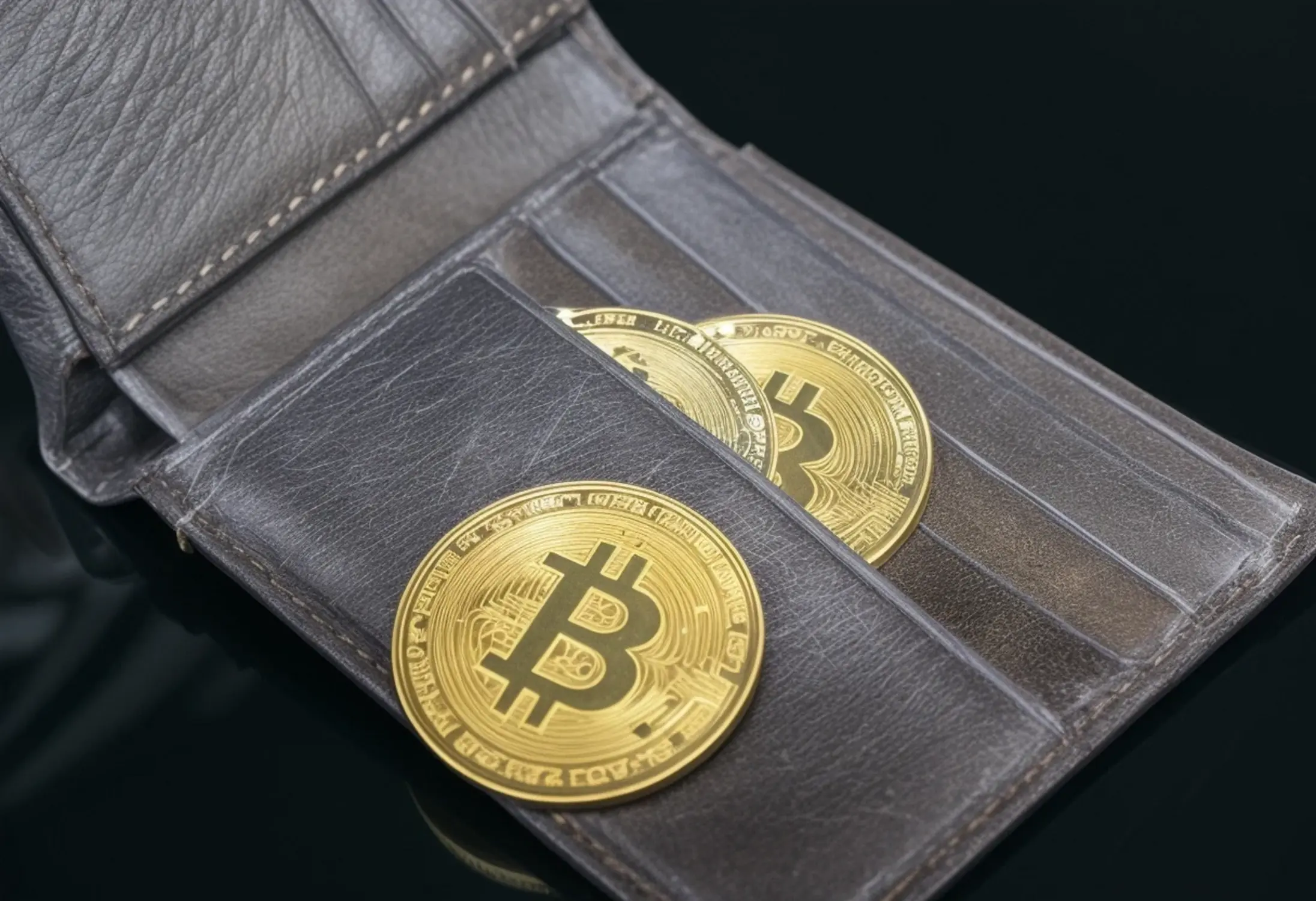
Furthermore, the features offered by non-custodial wallets make them appealing. For instance, many provide multi-signature support, enabling joint control of funds, which adds an additional layer of security. Given these benefits, it’s clear that as more individuals seek autonomy over their financial assets, non-custodial wallets will gain traction, thus reshaping the crypto payment landscape significantly.
Navigating Challenges in Crypto Payments Adoption
Despite the advantages, challenges remain in adopting non-custodial wallets. Users often face hurdles regarding technical understanding and user experience. Many potential users may feel overwhelmed by the complexities of managing their private keys and wallets.
To promote wider adoption, it is essential to address these challenges. Educational resources can help demystify the process, offering step-by-step guides on how to use non-custodial wallets. Moreover, developers can focus on enhancing user interfaces, making these wallets more accessible to the average user. By simplifying the user experience, we can foster a more inviting environment for newcomers to the crypto space.
Future of Crypto Payments and Non-Custodial Solutions
Looking ahead, the future of crypto payments is intrinsically linked to the growth of non-custodial wallets. Predictions indicate a robust growth trajectory for these wallets in the coming years. As technology continues to evolve, innovations in blockchain and security protocols are expected to enhance user experiences further.
Key players within the industry are already working towards creating seamless integrations for businesses accepting cryptocurrencies, thereby supporting the transformation of crypto payments. As this momentum builds, we can anticipate a landscape where non-custodial solutions dominate, defining the future of how digital transactions are conducted.
In conclusion, as we progress towards 2026, understanding these trends in crypto payments is essential for stakeholders across the financial ecosystem. The shift towards non-custodial wallets reflects a broader movement towards decentralization, marked by a growing emphasis on user control and security.
About The Author




More Stories
Why AI Agents Will Revolutionize Payments in the Crypto Economy
How Ethereum’s ERC-8004 Will Change Everything in AI Economy
Why Bitcoin Mining Economics Are About to Shift Dramatically