





In today’s rapidly evolving financial landscape, the tokenization of assets via the OM token represents a significant shift. As we explore how MANTRA DAO is leading this charge, we uncover its implications for decentralized finance and why investors should be paying close attention now.
Why Tokenization of Assets Matters in Today’s Economy
Tokenization transforms traditional assets into digital tokens, allowing them to be traded on blockchain platforms. This process not only increases liquidity but also enhances accessibility for a wider range of investors. The traditional financial system often restricts asset access to major investors, while tokenization democratizes ownership. Enhancing access aligns perfectly with the broader trend of decentralization in finance, where control is distributed more evenly among participants.
The growing interest in decentralized finance (DeFi) is a testament to this shift, as it underscores the potential that tokenization has to revolutionize how we perceive and interact with assets. According to ICRYPEX, tokenizing assets can lead to a more efficient market by facilitating faster transactions and reducing costs. Investors are increasingly seeking opportunities in this space, leading to innovations that are reshaping financial investment norms.
Current Developments in the Tokenization of Real-World Assets
Recent projects have shown that the tokenization of real-world assets (RWAs) is gaining momentum. For instance, many companies are now leveraging the OM token for various initiatives. By converting tangible assets like real estate and artworks into digital tokens, they open up investment opportunities to a larger audience. Such tokenization initiatives often attract attention due to the prospects of quick returns and simplified buying processes.
Moreover, the market has witnessed some successful implementations of tokenization using the OM token. Projects utilizing this token have demonstrated significant investor interest, with trends indicating that engagement in tokenized markets is rising. As observed by industry analysts, the tokenization landscape is rapidly evolving, making it essential for investors to stay informed about developments in this field.
MANTRA DAO’s Role in Decentralized Finance Innovations
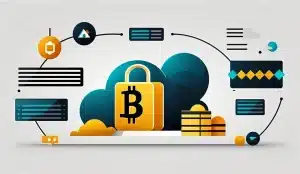
MANTRA DAO plays a critical role in the innovative ecosystem of decentralized finance by promoting the use of the OM token for real-world asset tokenization. This platform integrates decentralized identity systems that enhance security and verification for users interacting with RWAs. By leveraging such systems, MANTRA DAO addresses the growing need for trust in digital transactions.
Additionally, smart contracts are fundamental in managing these tokenized assets, automating processes typically relying on intermediaries. By using these self-executing contracts, participants can conduct transactions more securely and efficiently. The combination of decentralized identities and smart contracts not only streamlines operations but also significantly reduces the risks associated with traditional investing methods.
Impacts of OM Token on Investor Strategies
The advent of the OM token is reshaping investment strategies across the board. Investors are reevaluating their approaches, increasingly seeking diversification by adding tokenized assets to their portfolios. The flexibility provided by tokenization encourages investors to explore various asset classes that were previously less accessible.
Furthermore, the token’s volatility necessitates investors manage risks more diligently. It is crucial for them to stay abreast of market trends and be prepared for fluctuations in the value of tokenized assets. As highlighted by Coinpaper, understanding the dynamics of tokenized investments can significantly improve an investor’s ability to adapt to market movements. As the OM token becomes more widely adopted, innovative investment strategies are sure to emerge, fostering a dynamic landscape for asset holders.

Challenges Facing Tokenization in the Current Market
While the promise of tokenization is substantial, several challenges remain. Regulatory hurdles continue to present significant barriers, with compliance issues often complicating the landscape. Investors are concerned about how these regulations will evolve as tokenization gains traction, especially in light of increasing scrutiny from authorities.
Moreover, transparency issues have emerged, particularly following notable market events that have led many to question the stability of tokenized systems. Studies indicate that investor confidence hinges on the perceived integrity of market participants, and any lapses could adversely impact adoption. Technical challenges also loom large, as implementing tokenized systems requires significant upfront investment and expertise, as noted in a Flitpay article.
Steps for Investors to Engage with OM Token
For investors ready to dive into the world of tokenized real-world assets, several steps can facilitate engagement. First, understanding the fundamentals of the OM token and how it operates within decentralized finance is critical. It’s beneficial to explore educational resources on asset tokenization and the mechanisms behind decentralized platforms.
Investors should also consider their portfolio diversification strategies. By allocating funds into tokenized assets, they can mitigate risks associated with traditional investments. Utilizing platforms that offer OM tokens allows easier access to this investment avenue. With continuous advancements in the decentralized space, staying updated can empower investors to make informed decisions. The future seems bright for those who engage thoughtfully in this transformative aspect of finance.
About The Author



More Stories
The Hidden Truth About the Future of NFTs You Must Know
How Crypto Whales Are Using The Sandbox to Shape GameFi Investments
Why Stablecoins Are About to Disrupt the Banking System Forever