







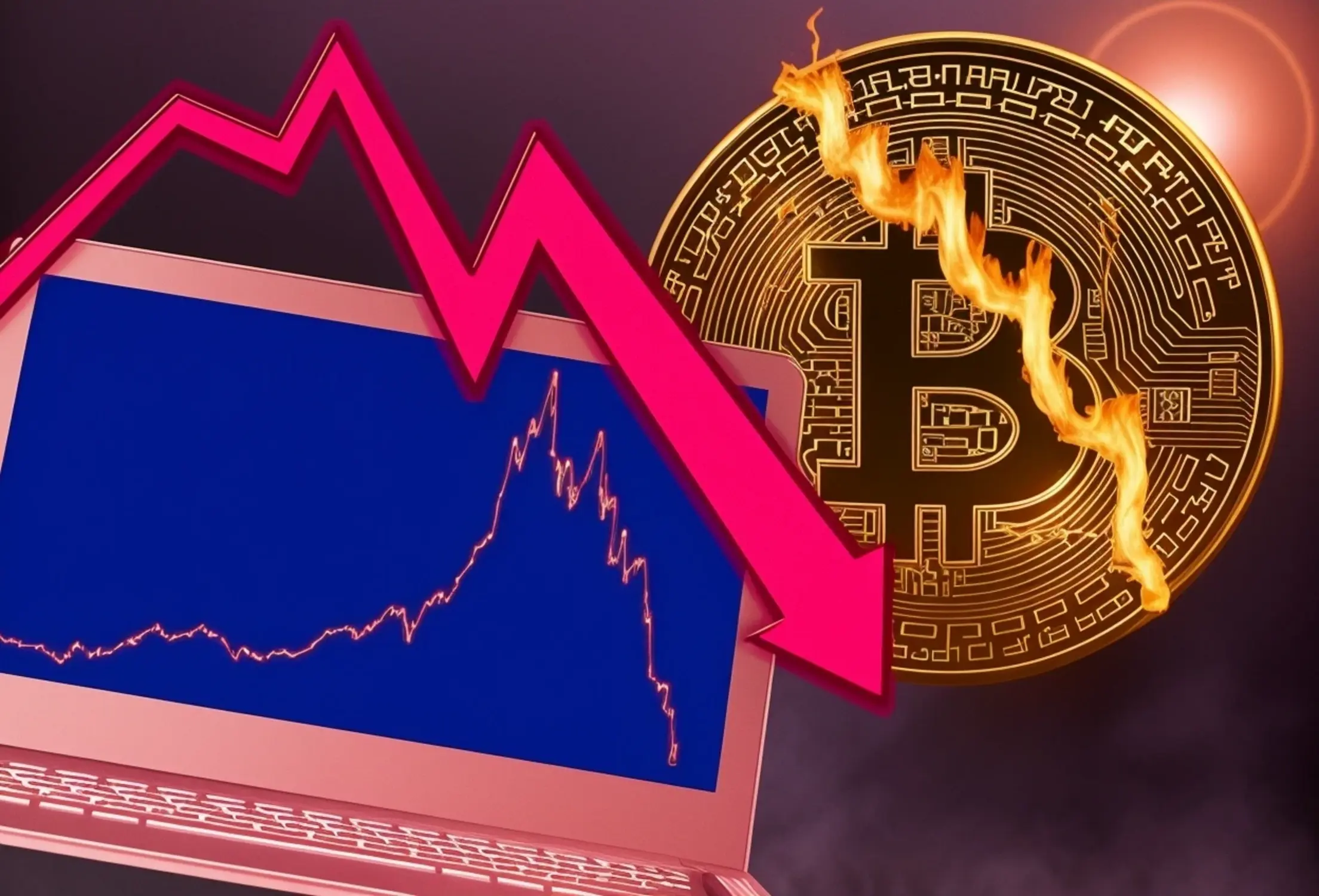
As Bitcoin hovers near the critical threshold of $85,000, the implications for the crypto market are profound, affecting everything from investor behavior to economic conditions. Understanding this shift is crucial for anyone involved in cryptocurrency trading right now.
Market Sentiment and Bitcoin $85,000 Dynamics
Market sentiment plays a significant role in Bitcoin’s price stability, especially around pivotal figures like $85,000. Recent trends indicate that traders are increasingly cautious, leading to heightened volatility as they gauge the market’s strength against this psychological barrier. According to a recent report, the fear of a price drop could lead to a massive sell-off, which is typical behavior in a bearish market. This reaction underscores how critical price levels can trigger emotional responses among investors.
The Psychological Impact of the $85,000 Price Point
For many traders, the $85,000 threshold is more than just a number; it represents a psychological barrier. When Bitcoin prices approach this point, traders often exhibit anxiety, fearing that any slightest dip could result in larger losses. The mere act of crossing this threshold can lead to quick decision-making processes where emotional influences might obscure sound trading logic. As stress levels increase, investors can shift from a long-term strategy to a more reactionary approach, heightening market volatility in the process.
Economic Conditions Influencing Bitcoin Trends
The global economic landscape is another crucial factor impacting Bitcoin’s price. Factors like interest rates and inflation rates significantly shape cryptocurrency trends. For instance, recent reports show that expectations of rising interest rates in Japan spooked investors, causing Bitcoin to exhibit significant fluctuations in value (source).
Interest Rates and Inflation
Rising interest rates generally lead to reduced consumer spending, ultimately affecting investment in riskier assets, including cryptocurrencies. When borrowing costs increase, investors often seek safer havens, causing shifts in trading behavior. Inflation, on the other hand, often drives investors toward Bitcoin as a hedge against currency devaluation, complicating the narrative further. Hence, every economic announcement becomes a critical juncture for Bitcoin’s market perception.
The Shifting Landscape of Cryptocurrency Trading
As Bitcoin price movements have the power to initiate broader market shifts, they also signal emerging trends within the crypto trading space. Recent behavior shows that traders no longer solely depend on Bitcoin’s performance but also factor in other cryptocurrencies in their strategies. As Bitcoin fluctuated near $85,000, altcoins experienced notable price adjustments too, further emphasizing the interconnectedness of various cryptos.
Case Studies of Recent Market Changes
For instance, when Bitcoin hit a recent high before dipping below $85,000, cryptocurrencies like Ethereum and Litecoin also experienced comparable dips. This interdependency suggests that Bitcoin not only influences its trading landscape but plays a central role in the broader cryptocurrency ecosystem.
Investor Behavior in Response to Bitcoin’s Price Fluctuations
Investor behavior evolves in tandem with Bitcoin’s price fluctuations, especially as it approaches significant price points. Recent patterns indicate that as Bitcoin nears $85,000, many investors adopt new strategies aimed at minimizing losses. This adaptive behavior showcases an increased focus on risk management.
Sentiment Analysis and Risk Management Techniques
One effective technique traders are employing is sentiment analysis, which helps in predicting movement based on collective trader psychology. By analyzing market sentiment, traders derive insights into potential future price movements. Moreover, many investors are now utilizing stop-loss orders more strategically than in previous market cycles, showcasing a shift towards calculated risk management over emotional trading.
Factors Driving the Crypto Market Shift
In the face of changing market dynamics, various external factors contribute to recent shifts within the cryptocurrency market. Regulatory changes have emerged as a significant driving force, often impacting investor confidence and trading strategies. The growing interest from institutional investors is also creating substantial ripples in the trading landscape.
Technological Advancements and Their Impact
Technological innovations, such as upgrades to blockchain scalability, play a critical role in shaping Bitcoin’s market behavior. Investors are increasingly focusing on projects that demonstrate a robust technological backbone, making investments more discerning. As regulatory frameworks evolve and technology advances, they continuously reshape the cryptocurrency market’s trajectory.
Preparing for Market Changes and Future Trends
For traders looking to navigate potential market volatility, actionable strategies are essential. Here are a few key strategies to consider:
– Stay Informed: Regularly assess economic conditions that could impact Bitcoin’s price, such as interest rate decisions and inflation forecasts.
– Utilize Analytical Tools: Employ tools that provide insights into market sentiment and price trends for informed trading decisions.
– Adopt Conservative Strategies: Balancing risk versus reward is vital, especially in uncertain markets; consider diversified investments rather than heavily weighting in Bitcoin alone.
As the cryptocurrency market continues to evolve, understanding these dynamics has never been more crucial. With every dip and climb, Bitcoin remains at the forefront of a rapidly changing landscape, setting the tone for investor behavior and market conditions alike.
About The Author





More Stories
Why Bitcoin’s Price Fluctuations Are About to Change Everything in Today’s Economy
Why Job Growth Is About to Change Everything in Cryptocurrency
Why XRP’s Trading Surge is About to Change Cryptocurrency Investment Forever